Early roots and medieval character
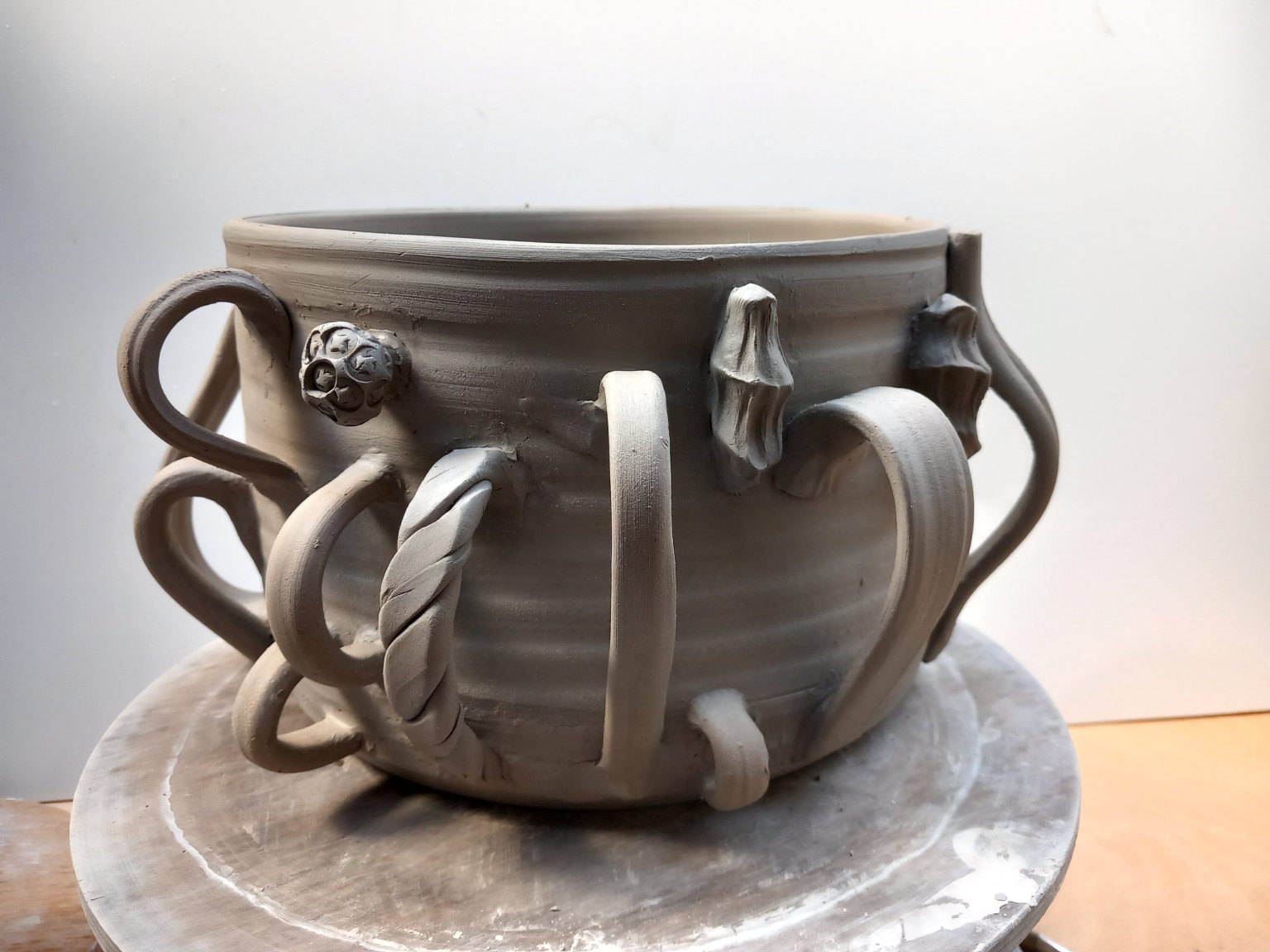
Farnham’s roots stretch deep into the past, with evidence of settlement dating back to the Stone Age. During Roman times, the area became known for pottery, thanks to the rich gault clay beneath the soil and the surrounding oak woodland that fuelled the kilns.
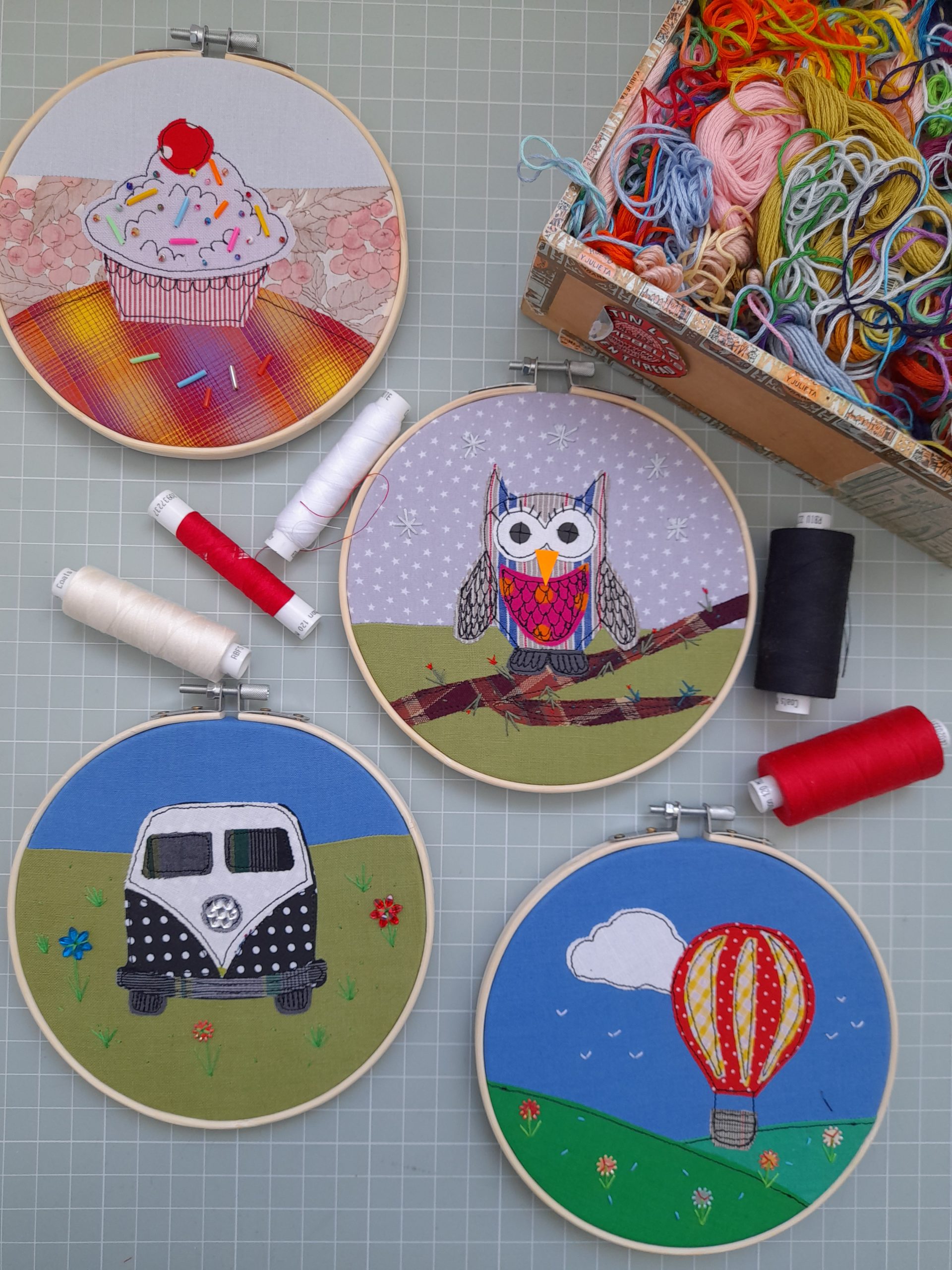
This heritage still shapes the town today, giving Farnham a distinctive creative identity and an enduring connection to craft, design and the arts – something visitors can experience through its galleries, cultural venues and creative events.
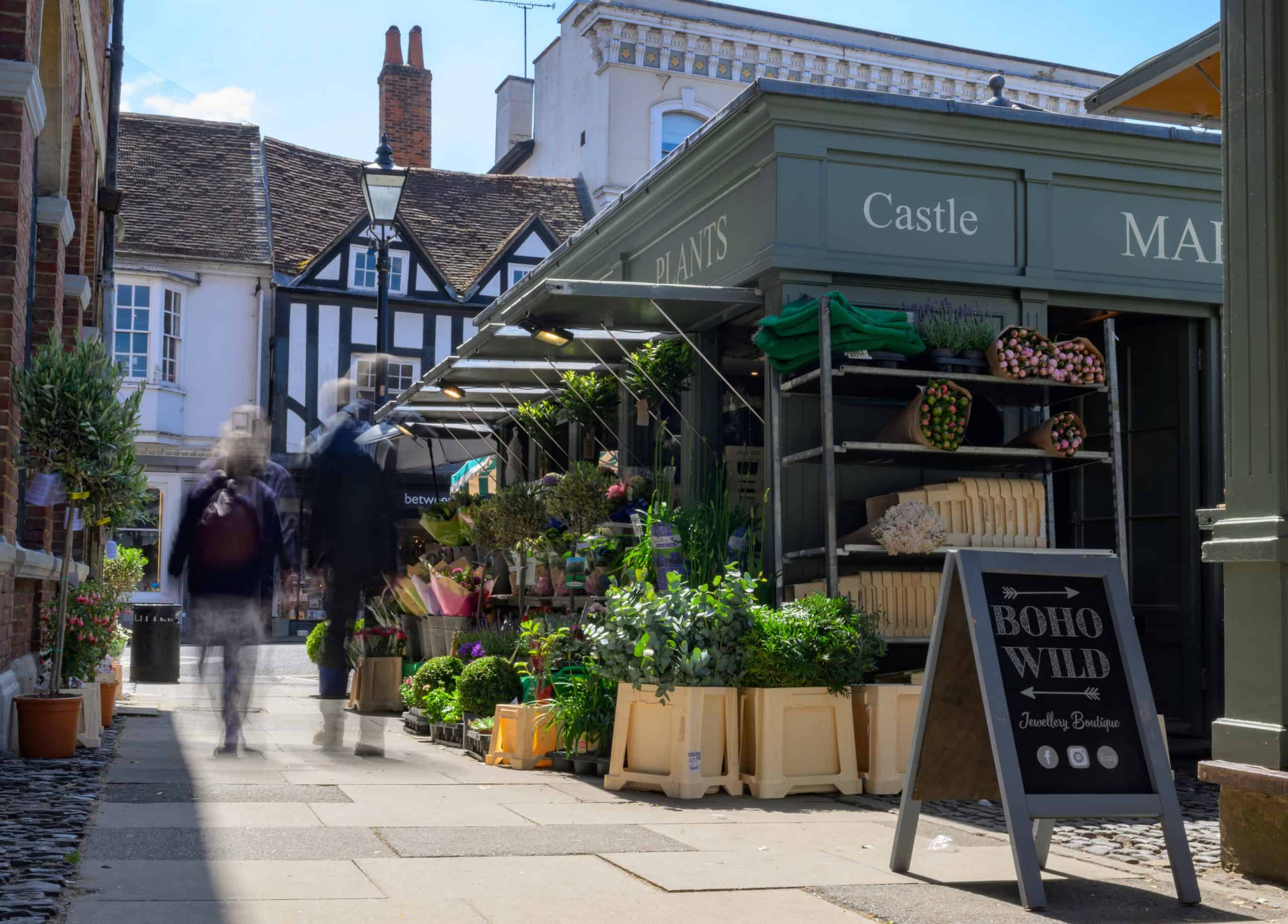
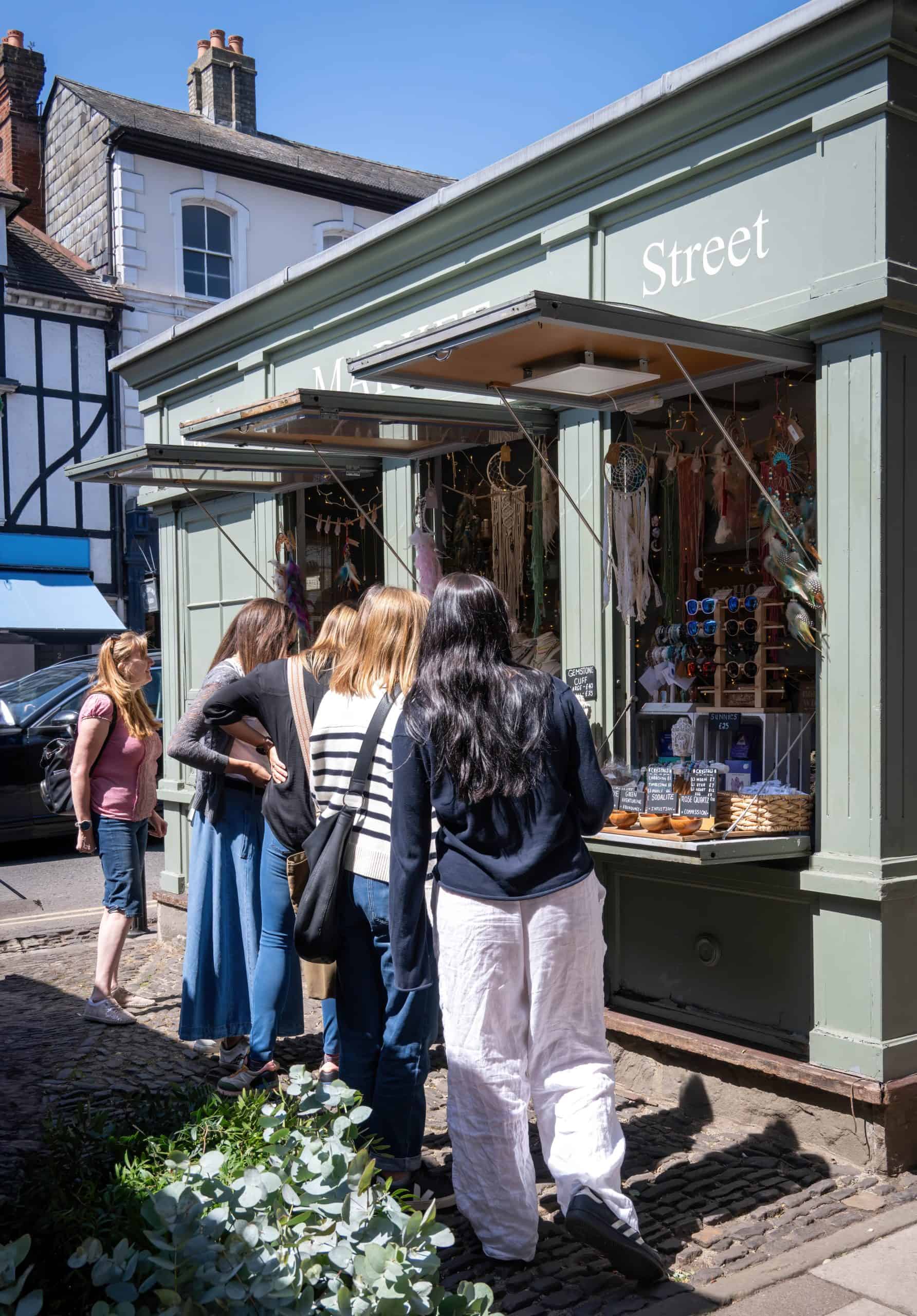
Farnham’s importance grew during the medieval period under the Bishops of Winchester. Farnham Castle, built in 1138 by Henry de Blois, established the town as a place of influence and protection, while its position on key routes helped it flourish as a busy market centre.
Craft, land and legacy
The name Farnham comes from the Old English Fearnhamme, meaning “fern-covered meadow”, reflecting the town’s long connection to its surrounding landscape.
For centuries, hop fields, sheep pastures and pottery workshops shaped life here. Farnham’s pottery heritage is especially significant: the renowned Farnham Pottery remains one of the finest surviving Victorian country potteries in England.
Today, this heritage continues to influence the town’s cultural life. The Farnham Maltings hosts exhibitions, markets and creative events throughout the year, while the New Ashgate Gallery showcases contemporary craft and applied arts. The presence of the Crafts Study Centre at the University for the Creative Arts further strengthens Farnham’s reputation as a place where tradition, creativity and learning come together.